04 / THE IDY DESIGN APPROACH
How IDY designsfor essential work.How IDY designsfor essential work.
IDY believes essential tasks should use focused functionality, independent communications and deliberately separated processing. We propose combining edge processing on iR800B with 5G connectivity to reduce reliance on a single environment and limit the impact of disruption.
Elements of this approach align with principles in publications from NIST (the US National Institute of Standards and Technology) and criteria published by IPA (the Information-technology Promotion Agency, Japan). The table connects IDY’s choices with their references and the value to consider when selecting an architecture.
From IDY’s principles to design choices and reasons to choose them, supported by relevant public guidance.| IDY’s design principle | Designing with iR800B and 5G | Related public principles | Why choose this approach |
|---|
| Limit functions. Reduce entry points. | Design a purpose-built application on iR800B. Select the required processing, permissions and destinations, and remove unnecessary software and exposed services. | NIST CM-7
Least Functionality. IPA / JC-STAR S1.1-13
Disable unnecessary interfaces that present attack risks. | Move a defined task to a purpose-built environment. A focused edge application makes its attack surface and maintenance scope easier to manage. |
|---|
| Separate the site. Contain disruption. | Use independent 5G access from the site to approved destinations. Start with no connection to the corporate LAN and design destination, permission and management controls. | NIST SC-7
Boundary Protection: monitor and control communications at external and key internal interfaces. | Design field tasks to operate independently during corporate LAN isolation. Removing unnecessary internal paths gives separation a practical operational purpose. |
|---|
| Avoid dependence on a single path. | Prepare 5G access outside the existing LAN. Where needed, consider iS201B and distinct access paths, then test the workflow during switchover. | NIST CP-8
Alternate telecommunications services when primary communications are unavailable. | Prepare so a lost connection need not stop the task. Combine the deployment flexibility of 5G with the alternate paths the workflow needs. |
|---|
| Plan for another node to take over. | Across multiple iR800B nodes, implement and validate failure detection, task switchover, state consistency and duplicate prevention. Address shared vulnerabilities, power and access paths. | NIST SP 800-160 Vol.2 Rev.1
D.5.2.6: Maintain Redundancy, with consideration of shared resources and diversity. | Arrange for another node to take over tasks during failure or maintenance. Choose redundancy around the workflow, as well as its communications. |
|---|
| Maintain security beyond deployment. | Include vulnerability assessment, updates and records for the application, OS and libraries. Define a scope that can be maintained during operation. | NIST RA-5 / SI-2
Vulnerability monitoring, scanning and flaw remediation. IPA / JC-STAR S1.1-13
Assessment of known vulnerabilities. | Choose an architecture whose functions and update scope are explicit. Consider maintainability alongside the initial specification. |
|---|
From IDY’s principles to design choices and reasons to choose them, supported by relevant public guidance.
Limit functions. Reduce entry points.
- Designing with iR800B and 5G
Design a purpose-built application on iR800B. Select the required processing, permissions and destinations, and remove unnecessary software and exposed services.
- Related public principles
NIST CM-7
Least Functionality.
IPA / JC-STAR S1.1-13
Disable unnecessary interfaces that present attack risks.
- Why choose this approach
Move a defined task to a purpose-built environment. A focused edge application makes its attack surface and maintenance scope easier to manage.
Separate the site. Contain disruption.
- Designing with iR800B and 5G
Use independent 5G access from the site to approved destinations. Start with no connection to the corporate LAN and design destination, permission and management controls.
- Related public principles
NIST SC-7
Boundary Protection: monitor and control communications at external and key internal interfaces.
- Why choose this approach
Design field tasks to operate independently during corporate LAN isolation. Removing unnecessary internal paths gives separation a practical operational purpose.
Avoid dependence on a single path.
- Designing with iR800B and 5G
Prepare 5G access outside the existing LAN. Where needed, consider iS201B and distinct access paths, then test the workflow during switchover.
- Related public principles
NIST CP-8
Alternate telecommunications services when primary communications are unavailable.
- Why choose this approach
Prepare so a lost connection need not stop the task. Combine the deployment flexibility of 5G with the alternate paths the workflow needs.
Plan for another node to take over.
- Designing with iR800B and 5G
Across multiple iR800B nodes, implement and validate failure detection, task switchover, state consistency and duplicate prevention. Address shared vulnerabilities, power and access paths.
- Related public principles
NIST SP 800-160 Vol.2 Rev.1
D.5.2.6: Maintain Redundancy, with consideration of shared resources and diversity.
- Why choose this approach
Arrange for another node to take over tasks during failure or maintenance. Choose redundancy around the workflow, as well as its communications.
Maintain security beyond deployment.
- Designing with iR800B and 5G
Include vulnerability assessment, updates and records for the application, OS and libraries. Define a scope that can be maintained during operation.
- Related public principles
NIST RA-5 / SI-2
Vulnerability monitoring, scanning and flaw remediation.
IPA / JC-STAR S1.1-13
Assessment of known vulnerabilities.
- Why choose this approach
Choose an architecture whose functions and update scope are explicit. Consider maintainability alongside the initial specification.
Design communications and processing around the task.
IDY’s proposition is to consider independent 5G access and purpose-built edge processing together, with iR800B at the center. Start with the task that must continue, then choose limited functionality, network separation, appropriate redundancy and maintenance.


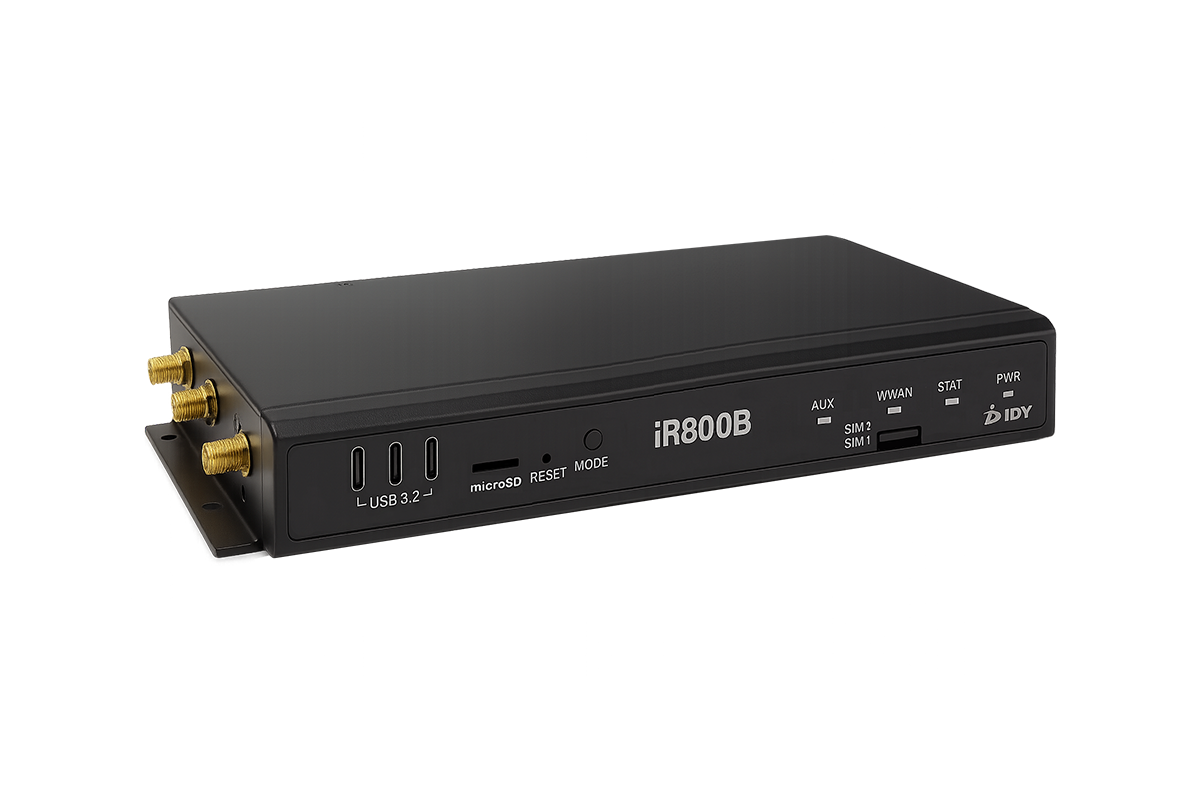 5G EDGE GATEWAY
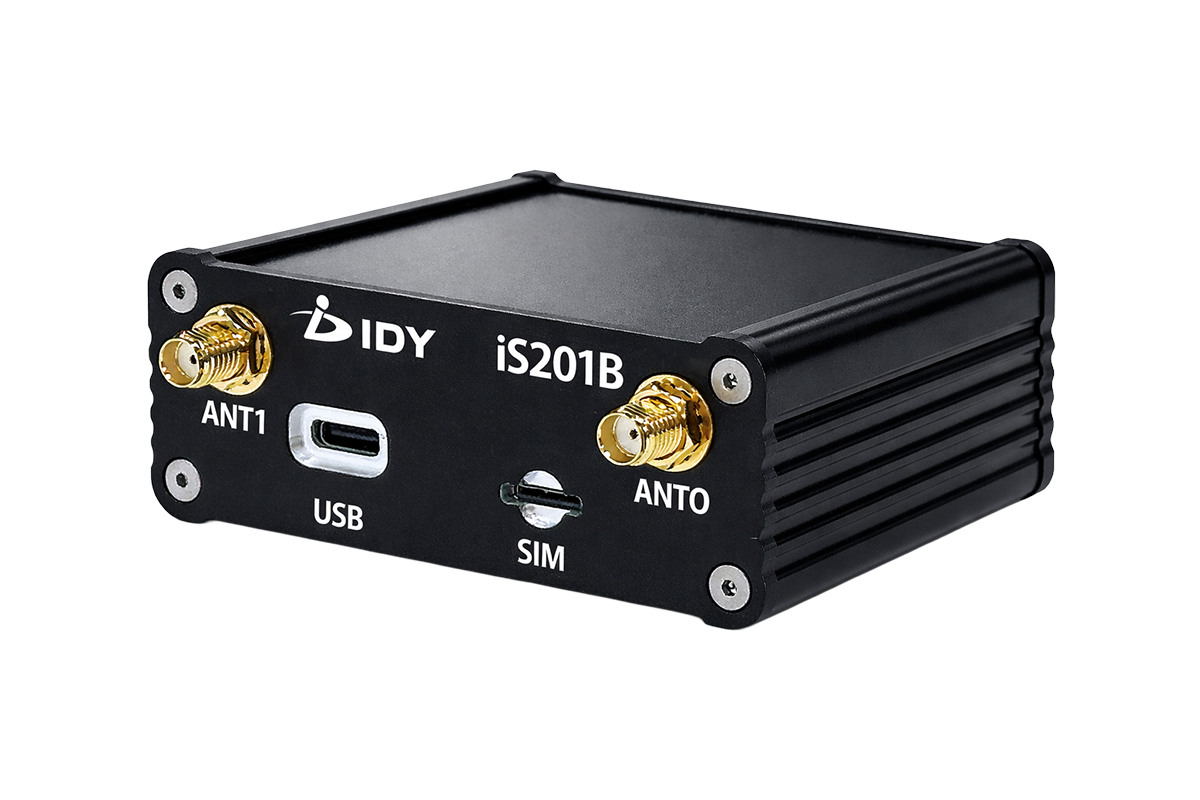 5G USB MODEM
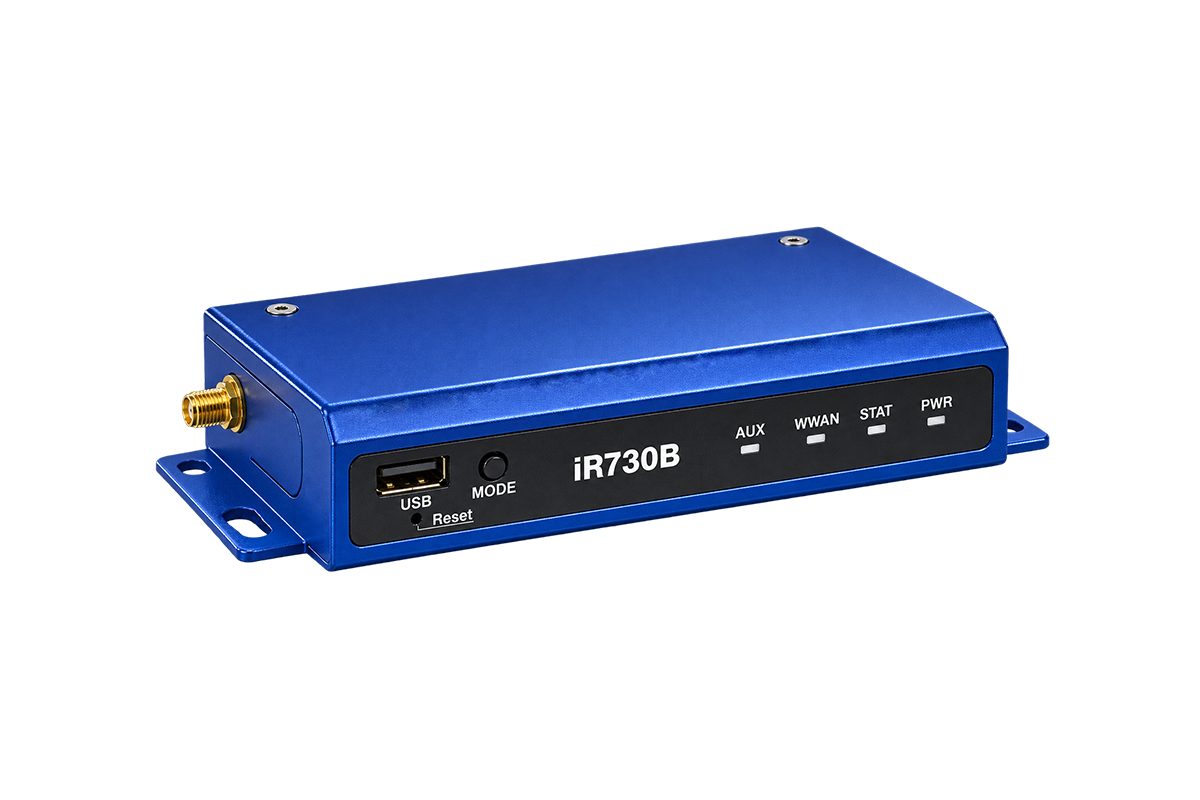 INDUSTRIAL 5G EDGE GATEWAY
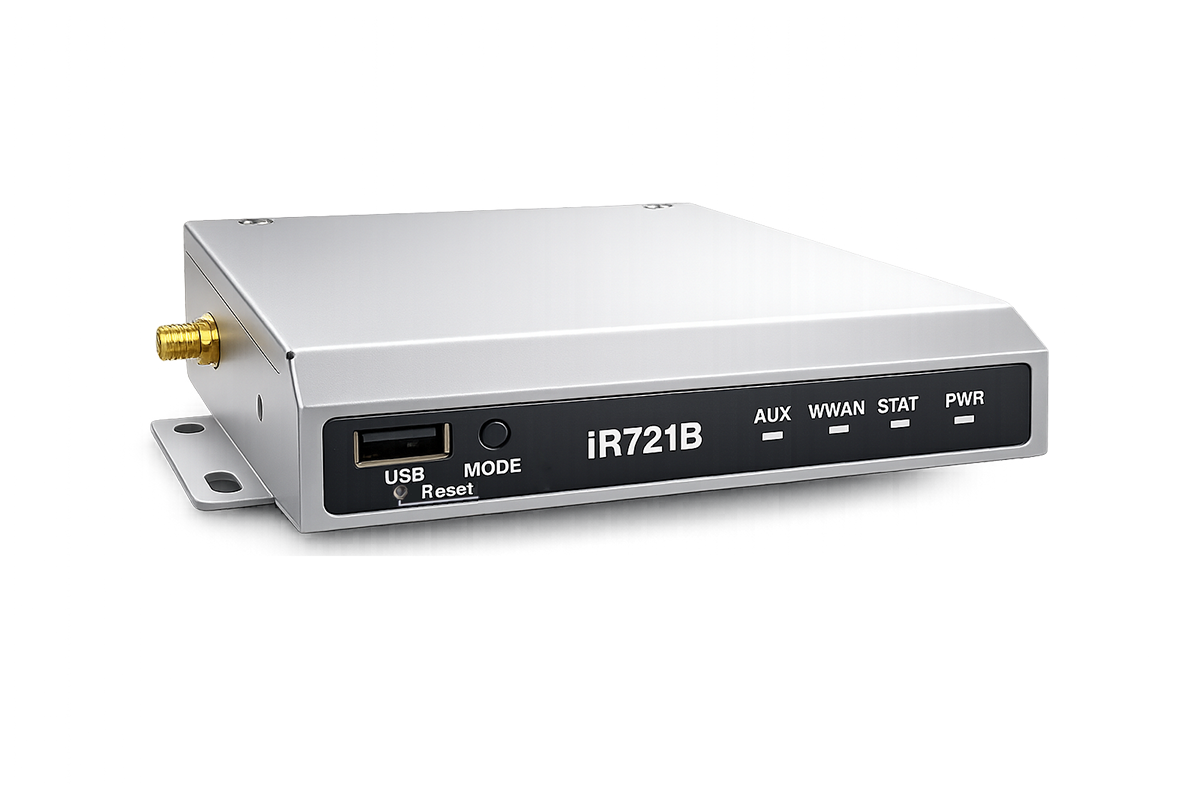 GIGABIT LTE EDGE GATEWAY