RESILIENT CONNECTIVITY FOR PUBLIC SAFETY
Public-safety connectivityproves itself in an emergency.Public-safetyconnectivityproves itselfin an emergency.
From everyday community information to emergency evacuation guidance, IDY connects diverse network paths with public information points to engineer a resilient delivery foundation.

PUBLIC SAFETY / INFORMATION RESILIENCEEngineer every path from source to community
01 / PUBLISHED IS NOT DELIVERED
Published does not mean delivered.Published does notmean delivered.
An alert may leave a public authority and still fail to reach people if the network, public facility or display endpoint is unavailable. The entire path from information source to resident must be designed as one delivery system.
Information systems
Diverse paths
Stations & shelters
Display, broadcast & apps
DELIVERY VERIFICATION
PUBLISHEDPATHREACHEDDISPLAYED
If one layer fails,information stops there.If one layer fails,information stops there.
02 / INFORMATION RESILIENCE FOUNDATION
The missing layer is not information.It is the resilience to deliver it.The missing layeris not information.It is the resilienceto deliver it.
Connect information sources, networks, public locations and presentation channels as one system. Community resilience grows when delivery does not depend on one access technology or on personal smartphones alone.
01 / INFORMATION SOURCES
→AuthoritiesAgenciesTransport & rivers
IDY / RESILIENT CONNECTIVITYINFORMATION
RESILIENCE
→RESILIENCE
5GLTEREGIONAL BWALOCAL 5GFIXEDWI-FI
03 / DELIVERY POINTS
Stations & facilitiesShelters & CATVDisplay, broadcast & apps
04 / PEOPLEDeliver to the people who need itResidents, older people, children, stranded commuters and international visitors
03 / MULTI-CHANNEL DELIVERY
Public-safety informationbeyond the smartphone.Public-safetyinformation beyondthe smartphone.
Stations, public facilities, shelters, CATV, digital signage, community broadcasting and apps provide multiple points of contact, reaching people regardless of device ownership or mobile subscription.
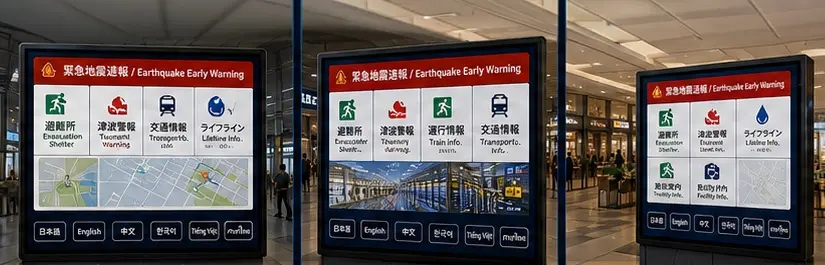
01 / MULTILINGUAL SIGNAGE
Multilingual informationacross public locationsMultilingual informationacross public locations
Present the same information to people in transit and international visitors without relying on personal smartphones alone.
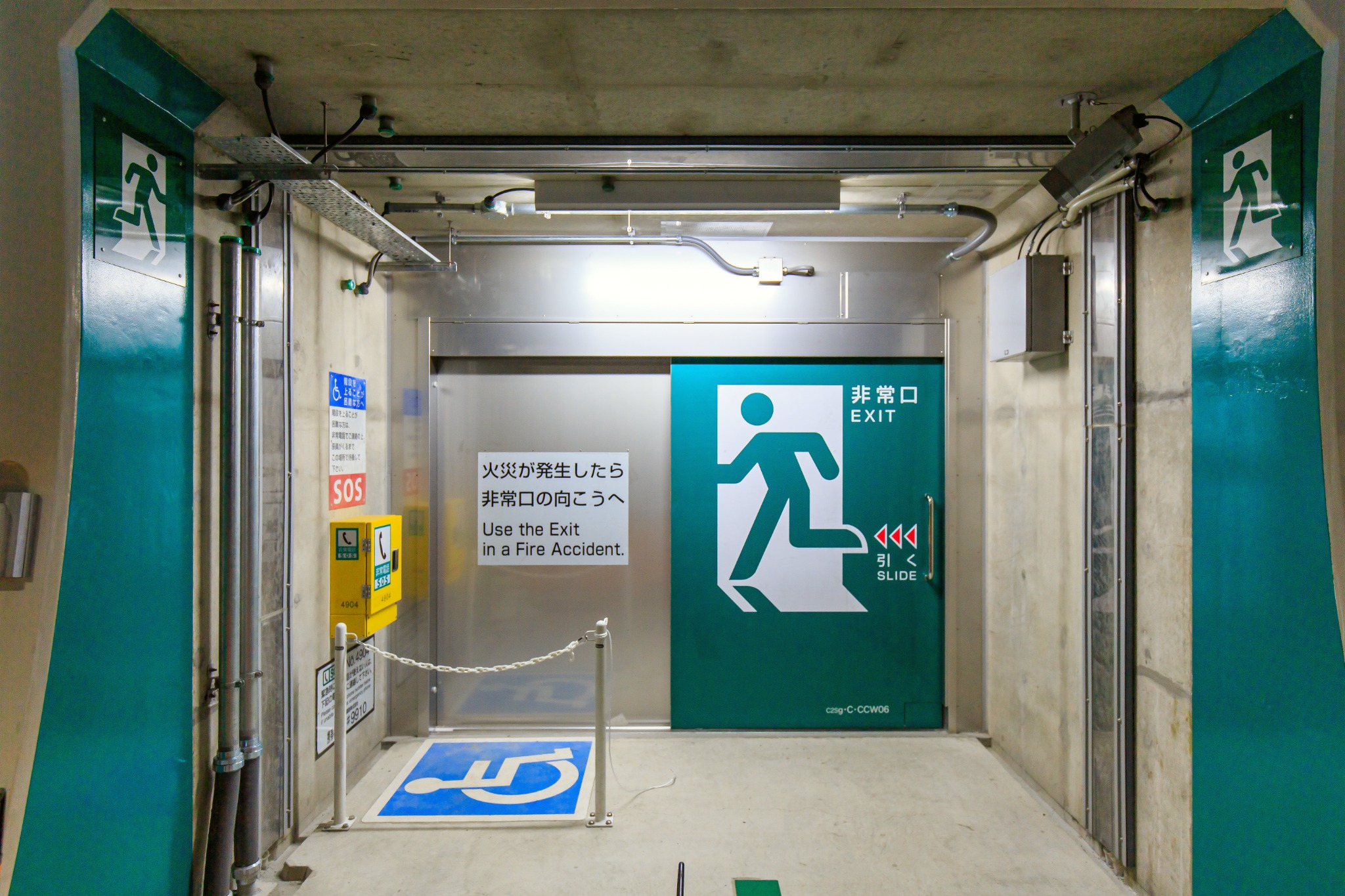
02 / EVACUATION GUIDANCE
Connect public displayswith evacuation actionConnect public displayswith evacuation action
Distribute shelter availability and route guidance to screens in stations, civic buildings and schools.
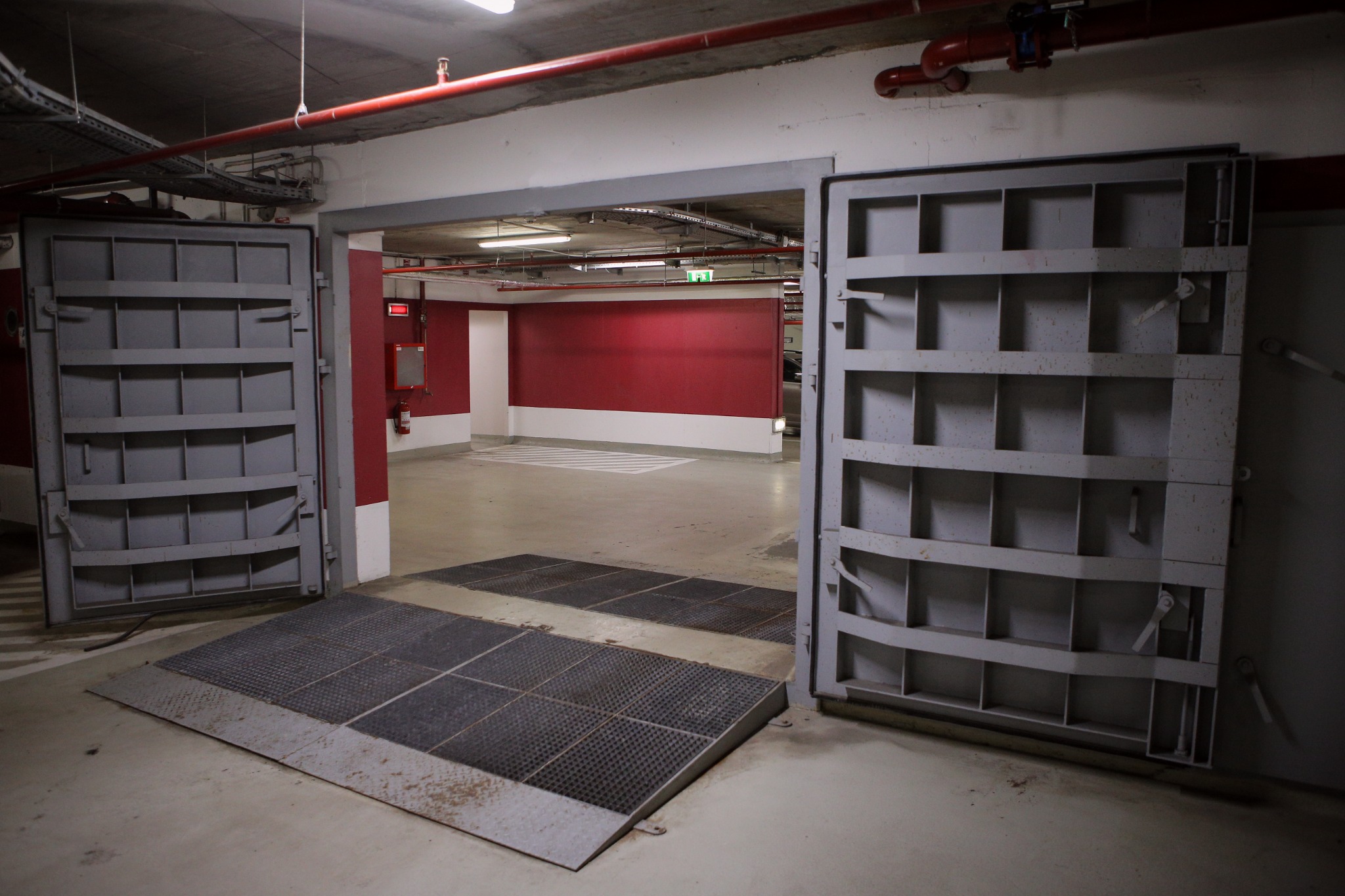
03 / TEMPORARY SHELTER
Turn a shelter intoa temporary information pointTurn a shelter intoa temporary information point
Portable connectivity and Wi-Fi support local information sharing when fixed access is unavailable.
01STATION02PUBLIC FACILITY03SHELTER04CATV / IPTV05SIGNAGE06APP / WEB
04 / EVERYDAY TO EMERGENCY
Use the same information foundationevery day and in emergencies.Use one foundationevery day andin emergencies.
Emergency-only equipment can remain unused long enough for faults to go unnoticed. Using the same infrastructure for everyday information keeps communications and displays observable before an emergency.
Every day
- Community and civic information
- Transport status
- Visitor and multilingual guidance
- Facility announcements
KEEP THE SAME ASSETS OBSERVABLE24hSWITCH OPERATING MODE
Emergency
- Earthquake and storm alerts
- Evacuation guidance
- Shelter opening and capacity
- Multilingual emergency information
05 / RESILIENT EDGE ARCHITECTURE
One resilient design from network pathsto antennas and edge devices.One resilient designfrom network pathsto antennas and edge.
Connect 5G, LTE, regional BWA and fixed access through installation-specific antennas and industrial edge devices. Match the architecture to core and distributed sites to diversify the delivery path.
01 / AVAILABLE NETWORK PATHS
5GLTEREGIONAL BWALOCAL 5GFIXEDWI-FI
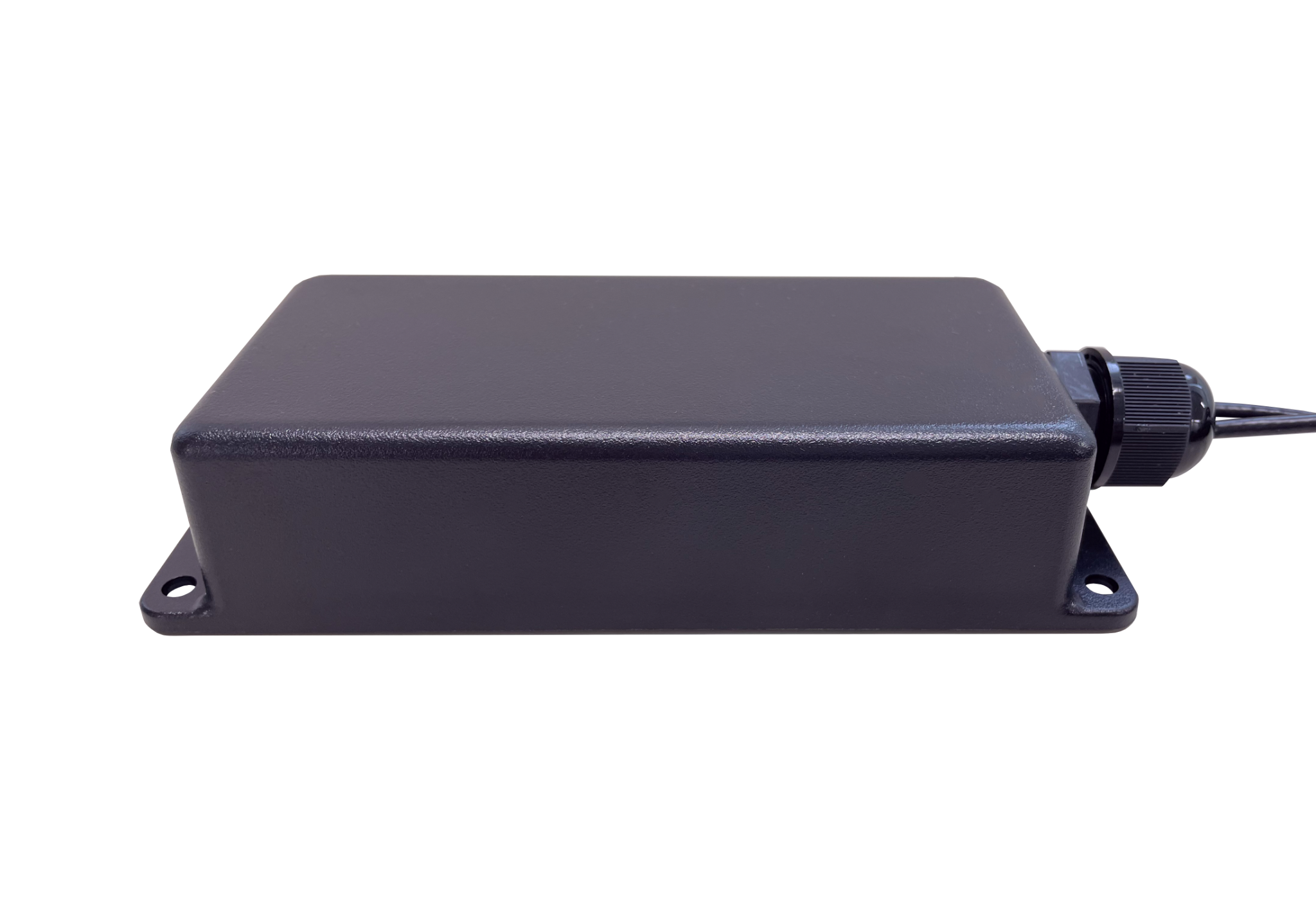
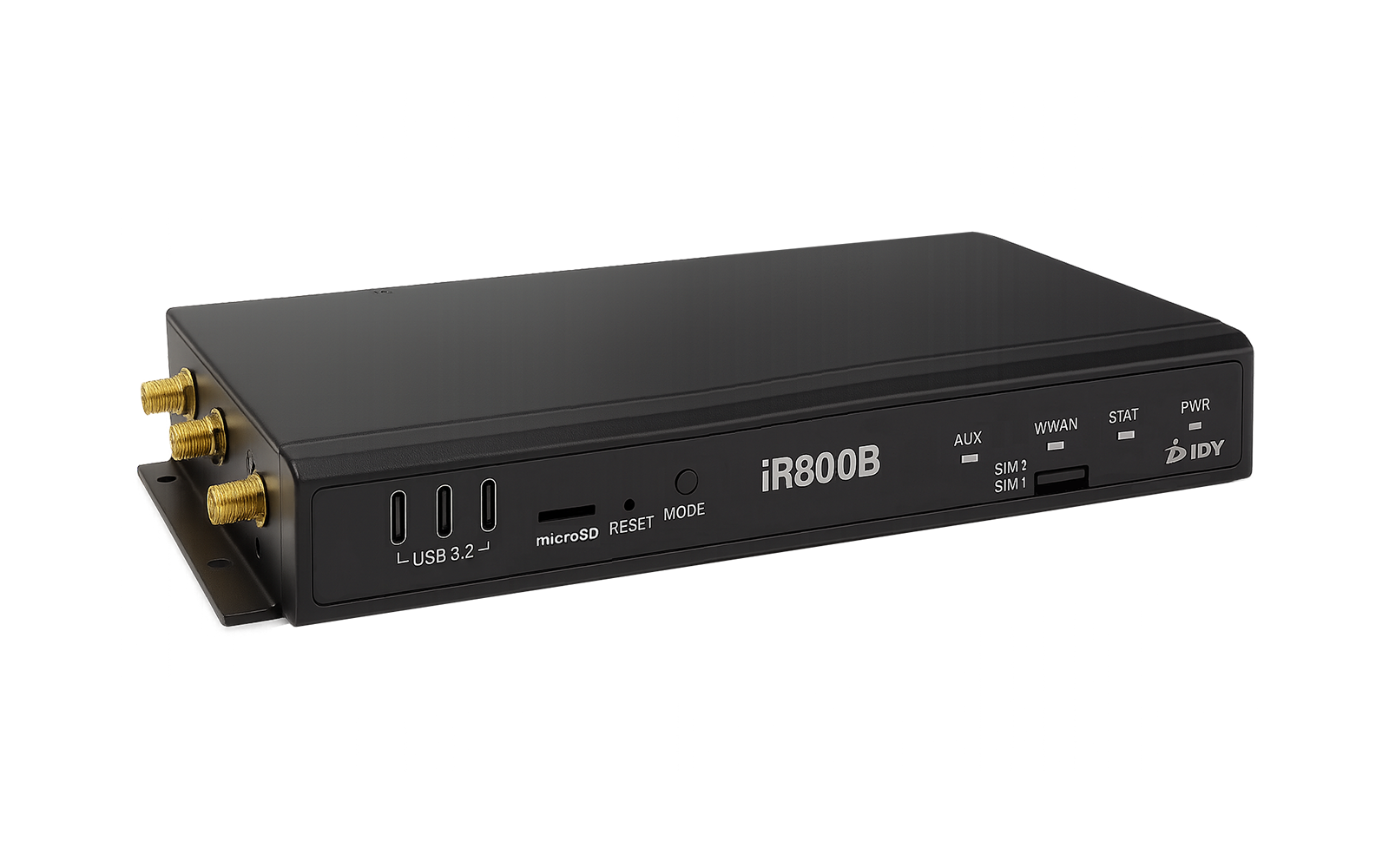
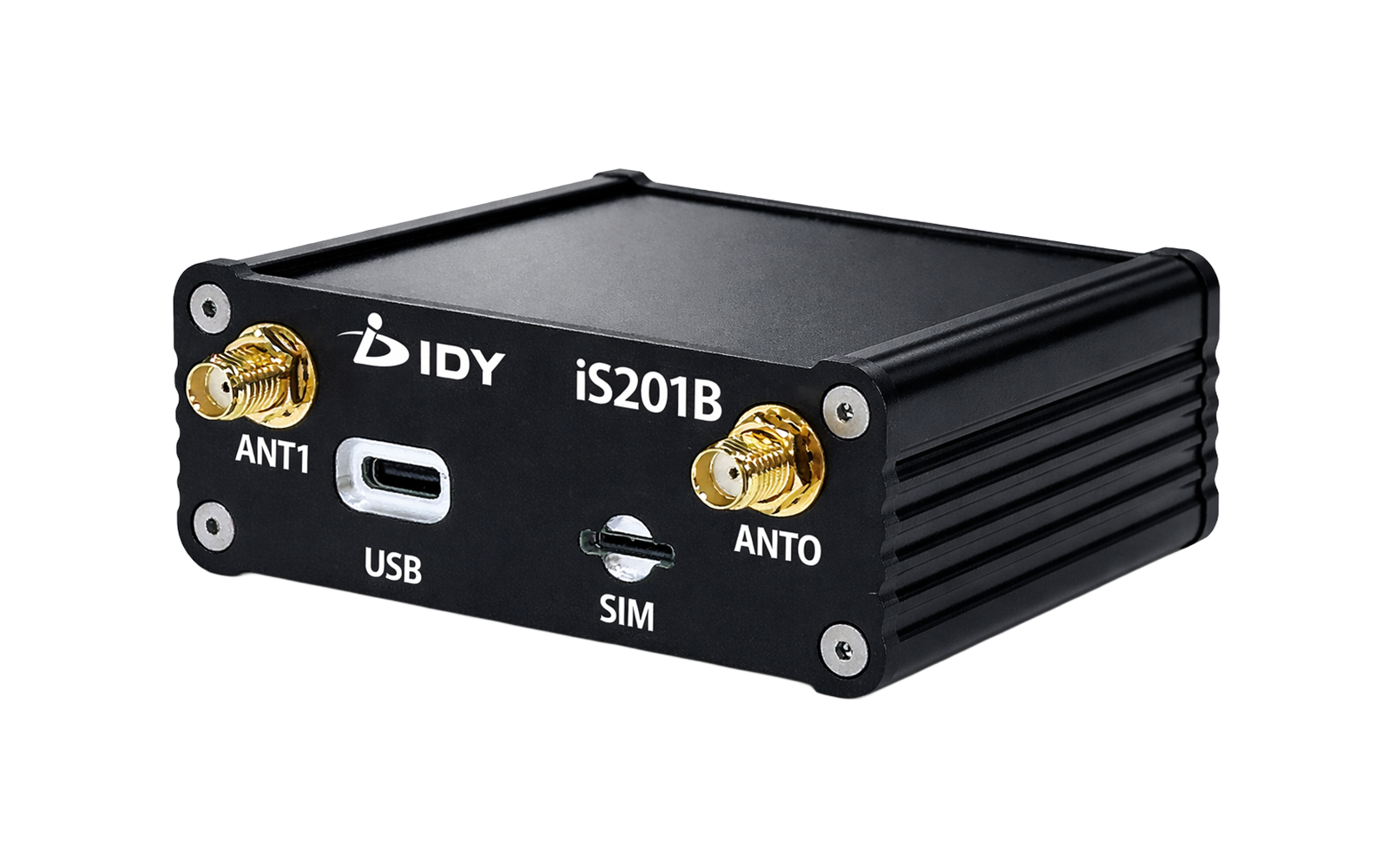 SECOND 5G SYSTEMUSB 3.2
03 / CORE / HIGH-REDUNDANCY EDGE
iR800B + iS201B
For command centers, CATV and primary information sites requiring greater path diversity and processing.
3 SIM REGISTERED2 ACTIVE LINKS
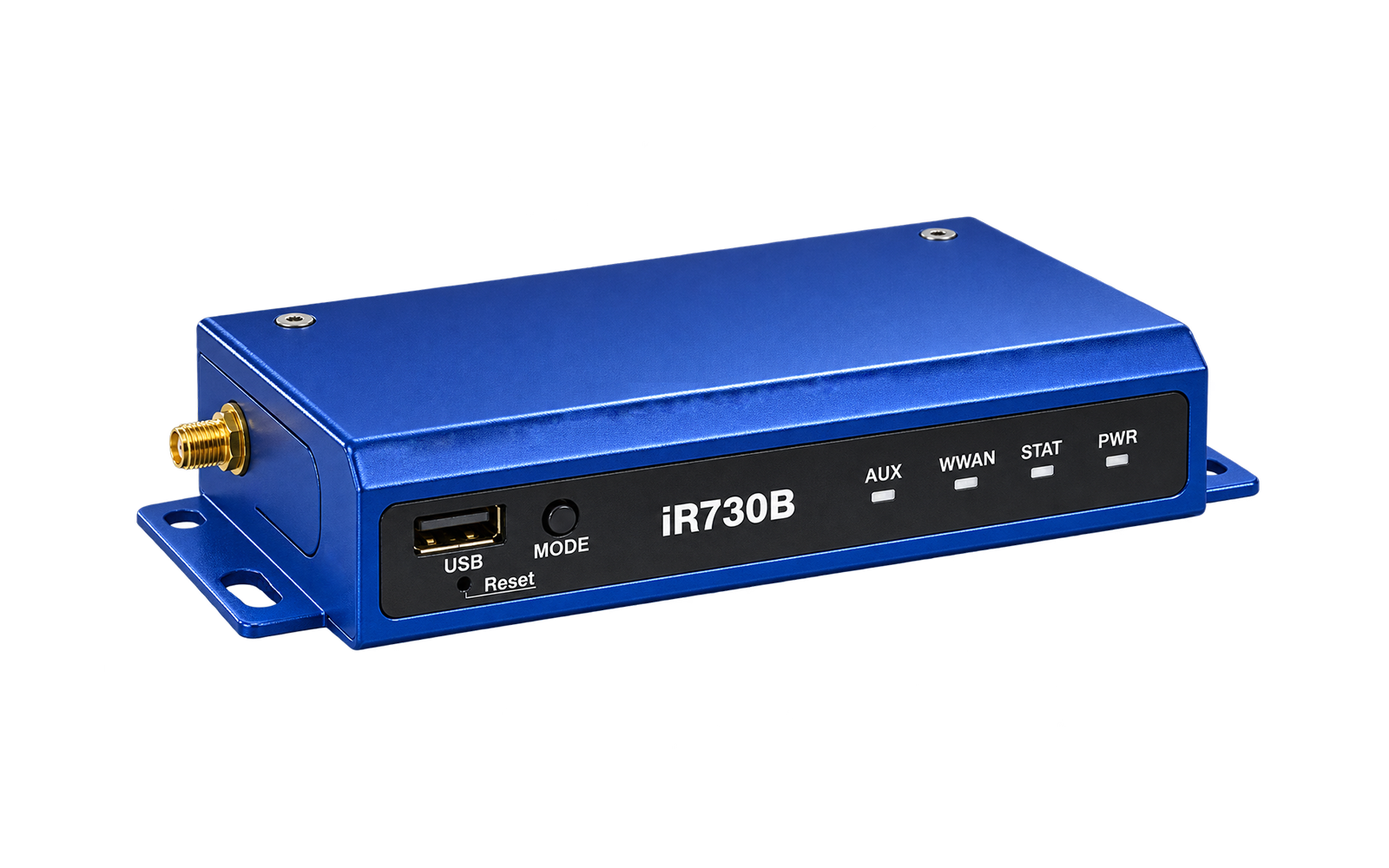
03 / DISTRIBUTED / COMPACT EDGE
iR730B
For distributed information points including shelters, public facilities, signage and vehicles.
5G + LTEMULTI-RAT
04 / CONNECTED OPERATIONSCOMMAND CENTERCATV / DISTRIBUTIONSTATIONS / FACILITIESSHELTERS / VEHICLESOPERATIONS DASHBOARD
* The iAN262-5GS6 is a dual-antenna unit. The diagram shows two units providing four RF paths for each 5G radio system. Antenna count, model, supported frequencies, cable length and installation position depend on the target product, supported bands, certification, radio environment and enclosure or vehicle. Three registered SIMs and two Active paths illustrate an applicable iR800B plus iS201B configuration.
06 / FIELD-PROVEN RESILIENCE
Resilience beyond the network path,engineered into the field device.Resilience beyondthe network path,into the field device.
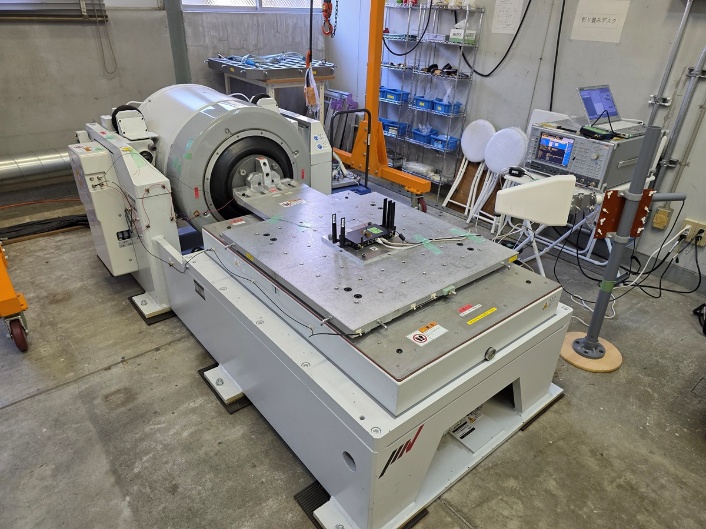
Portable, vehicle-mounted and permanently installed public-safety equipment must remain dependable in its operating environment. Actual hardware is evaluated under vibration and shock while communications are monitored.
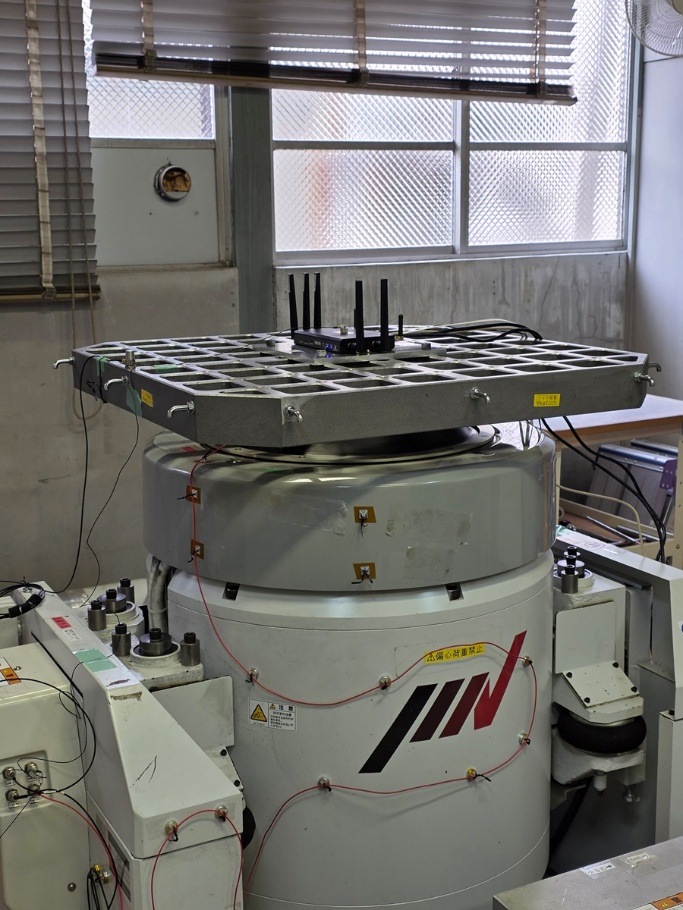 ACTUAL TEST PHOTO
iR800B / RAILWAY ENVIRONMENT
Actual-hardware vibration and shock validation.
Functional and endurance vibration testing on the X, Y and Z axes, plus shock testing including 30G / 18 ms transport and handling conditions.
JIS E 4031:2013CLASS 1A5 HOURS × 3 AXESVIBRATION ENDURANCEPASSFUNCTION / SHOCK
 ACTUAL TEST PHOTO
iR800B / AUTOMOTIVE ENVIRONMENT
Three-axis testing for vehicle environments.
JIS D 1601:19951A / 1B / 2A / 2B3.0G / X・Y・ZFUNCTION & ENDURANCEPASSPOST-TEST INSPECTION
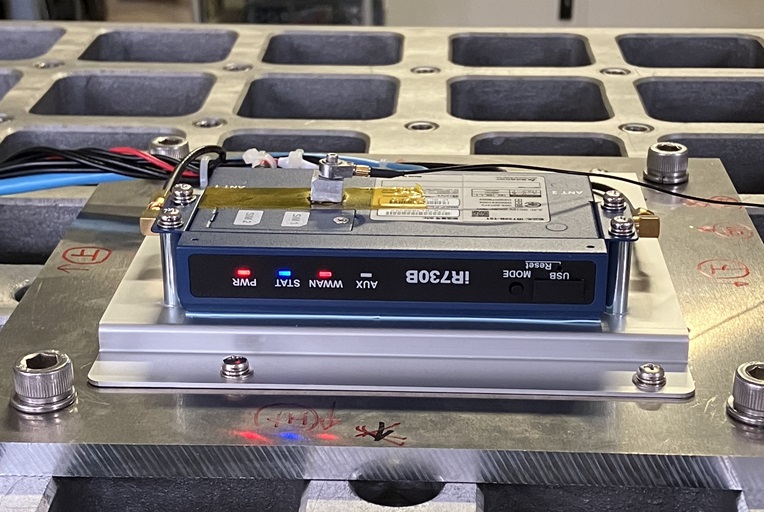 TESTED WHILE CONNECTED
iR730B / CONNECTED VALIDATION
Connectivity monitored throughout testing.
OTA connectivity and ping were monitored during testing, followed by external, functional and internal inspection.
JIS E 4031:2013CLASS 1ALTE OTA + PINGCONNECTED TESTPASSFUNCTION / INSPECTION
* Refer to product specifications for the applicable models, standards and test conditions. Vibration and shock testing does not guarantee uninterrupted operation in every disaster condition.
07 / CONNECTED RESPONSE POINTS
Bring the connectivity foundationto where information is needed.Bring connectivityto where informationis needed.
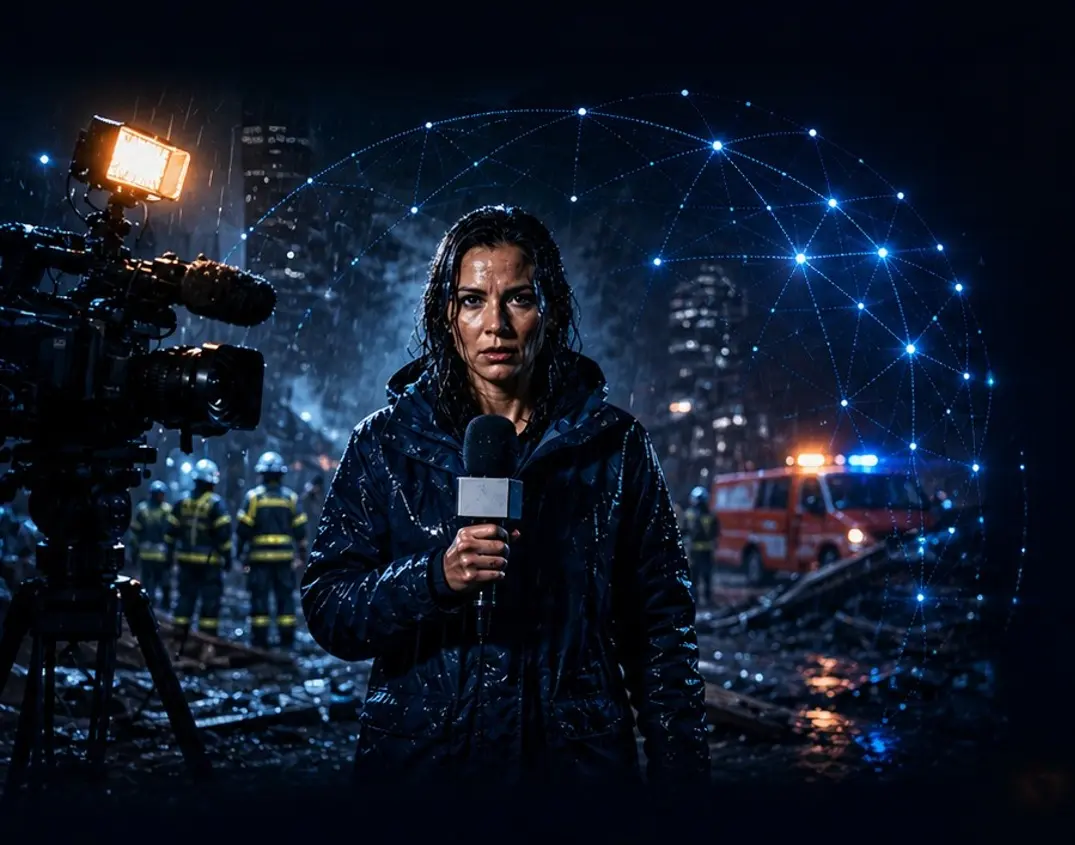
Response vehicles and temporary shelters become information points alongside permanent facilities. The architecture can support two-way sharing of field video, infrastructure status and evacuation information.
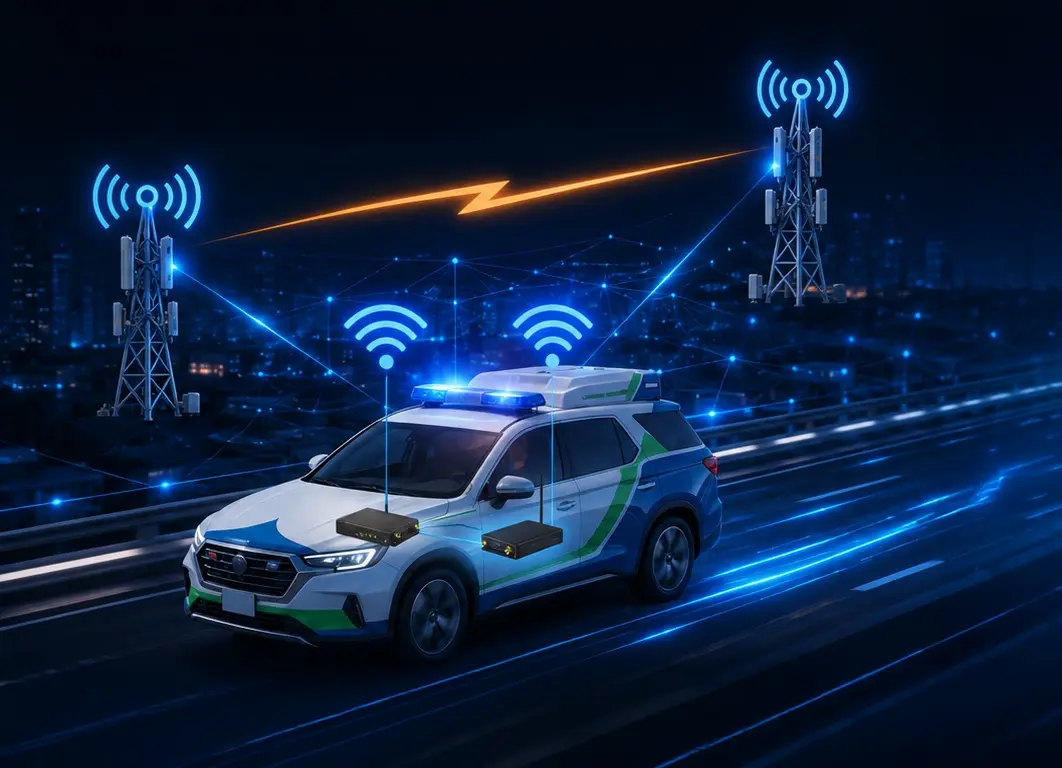
01 / MOBILE COMMAND
Mobile emergency command
Use diverse paths while moving toward the affected area and begin sharing information before arrival.
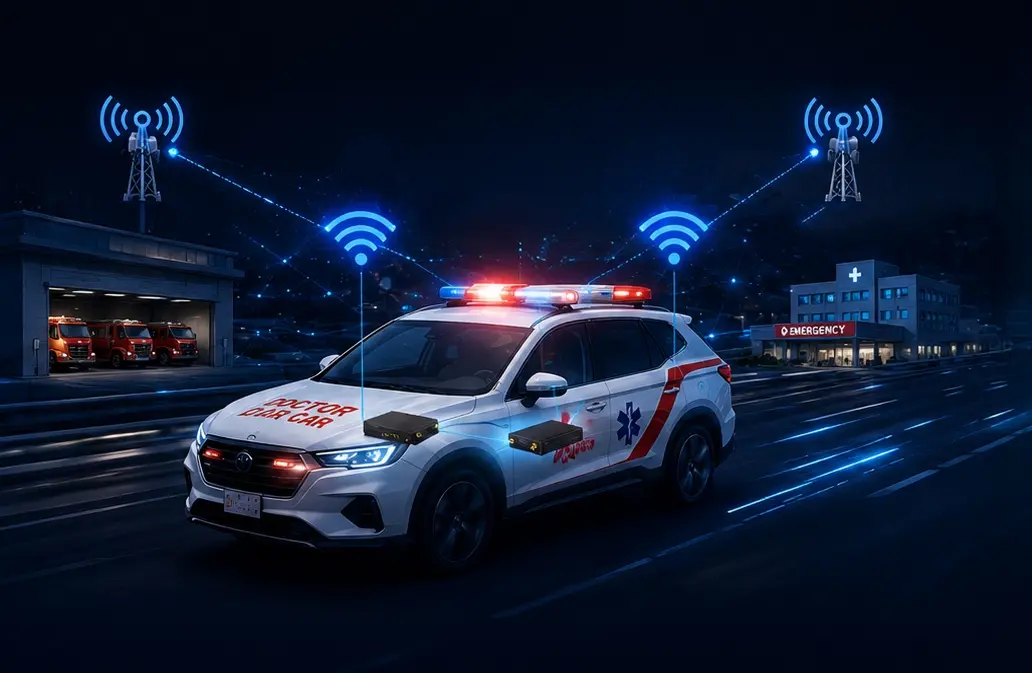
02 / MOBILE MEDICAL
Mobile medical response
Connect vehicles, response control and hospitals to share field video and information in motion.
03 / FIELD INFORMATION
Video and information from the field
Share field conditions by video to support command decisions and public-information updates.
* Images illustrate potential configurations. Deployment requires coordination, regulatory and certification review, power, network and operational engineering.

08 / INFORMATION RESILIENCE MODEL
A metropolitan information-resiliencemodel for every region.A metropolitanresilience modelfor every region.
Connect public authorities, transport operators, public facilities, CATV, regional networks and information services through a common communications foundation adapted to local assets and operations.
IDYRESILIENT
CONNECTIVITY
CONNECTIVITY
01PUBLIC AUTHORITIES02TRANSPORT OPERATORS03SHELTERS & FACILITIES04CATV & REGIONAL NETWORKS05INFORMATION SERVICES
09 / RESILIENT OPERATIONS DASHBOARD
Make information deliveryoperationally visible.Make informationdelivery visible.
See site connectivity, network quality, Active and Standby paths, incidents, recovery and display availability in one view, supporting routine inspection and emergency decisions.
24hMONITORINGA / SACTIVE / STANDBYAUTOEVENT & RECOVERY
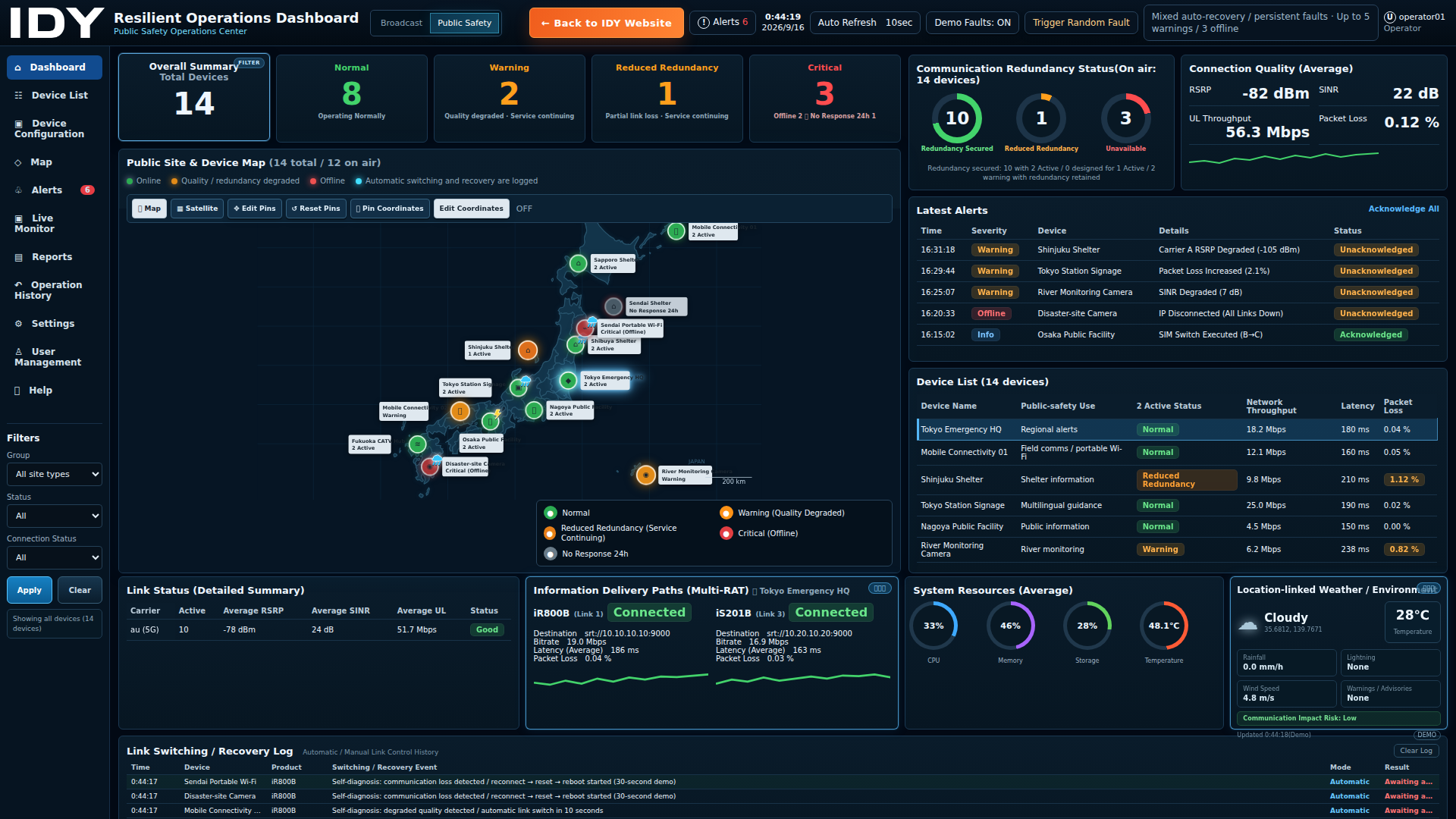
* The page shows a static interface preview. Open the working demo in a new tab. Values and municipal/public sites across Japan are illustrative and are adapted to the actual region, monitored data and permissions.
10 / IDY ROLE
Connect those who create public-safety informationwith the places that deliver it.Connect creatorsof public-safety infowith the placesthat deliver it.
IDY is not the publisher of disaster information. We support the communications layer through Multi-RAT, diverse paths, industrial devices, RF and installation engineering, edge processing, monitoring and system integration.
IDY 5G MULTI-RAT / EDGE GATEWAYMULTI-RATMulti-access engineering
REDUNDANCYDiverse paths and carriers
RF / INSTALLATIONAntenna, installation and radio design
EDGE / INTEGRATIONOn-site processing and integration
MONITORINGNetwork and device visibility
IMPLEMENTATIONFrom validation to deployment
11 / PUBLIC SAFETY CONNECTIVITY REVIEW
Start with the information pathsyour community already operates.Start with existinginformation pathsin your community.
Tell us about current information sources, networks, stations, facilities, shelters, displays, routine operations and the delivery paths that must remain available during an emergency.