From fixed machines to autonomous coordination
Robots, AGVs and AMRs share process information and reduce dependence on manual direction.
In factories where robots, AGVs and AMRs, machine vision and equipment monitoring coordinate in real time, connectivity is part of the production system. IDY engineers radio conditions, communication paths, edge processing and recovery operations as one industrial connectivity infrastructure.

As automation advances, equipment decisions and coordination increasingly depend on communications. The objective extends beyond fixed production cells to mobile systems, video and existing equipment across the factory.
Robots, AGVs and AMRs share process information and reduce dependence on manual direction.
Connect high-resolution video and AI processing so quality decisions keep pace with production.
Allow connectivity to evolve with layout changes and equipment expansion.
Coverage gaps, interference, mobility interruptions, upstream outages and variations in bandwidth or latency can stop an automated process even while individual machines remain healthy.
Metal, machinery, people and moving materials continuously reshape factory radio conditions.
AGVs, AMRs and mobile robots require continuity across their entire operating path.
Concentrated high-resolution video traffic can constrain critical equipment communications.
Downtime grows when fault detection is automated but restoration still depends on manual action.
Production systems and AI, edge connectivity control and field equipment are treated as one architecture. Response time, capacity, mobility and resilience are assigned according to each workload.
Upper systems for production planning, quality, maintenance and analytics.
Local processing, path observation, link selection, fault detection and recovery.
The production floor executing control, movement, inspection and monitoring.
The architecture is not limited to local 5G. IDY combines 5G, LTE, existing LAN and edge processing around field conditions, covering RF and antenna evaluation, fault detection, path switching and recovery.
Design coverage, capacity and roaming for mobility, video and equipment communications.
Combine local 5G, public 5G, LTE and existing access around workload and operating conditions.
Process video and equipment data on site to reduce upstream concentration and response delay.
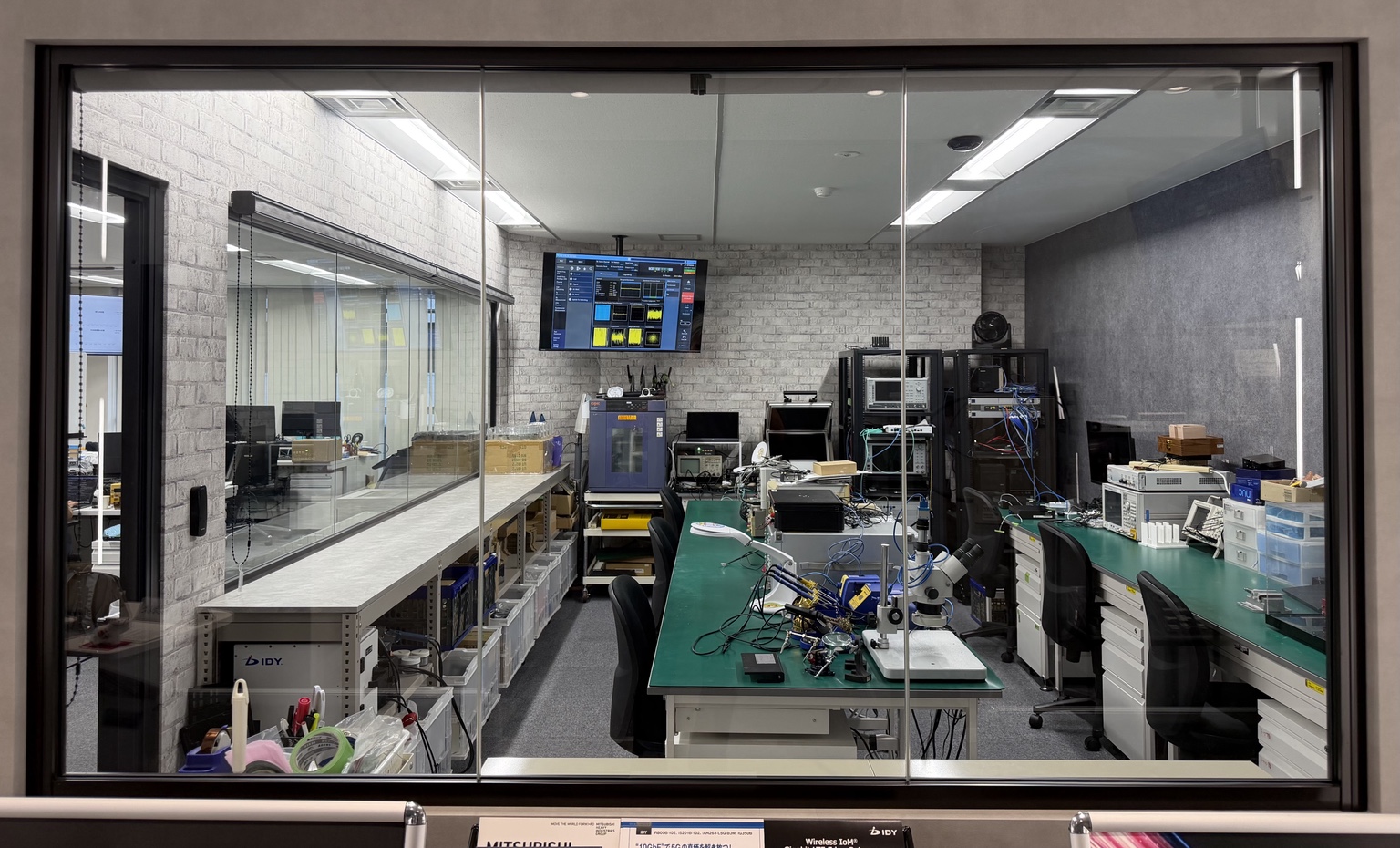
Evaluate network conditions, products, RF, antennas and installation as one working system.
Latency, jitter, capacity and switching time depend on access technology, product model, network configuration, radio conditions, connected equipment and processing path.
Rather than replacing an entire factory at once, begin with the processes carrying the greatest downtime impact, validate requirements and radio conditions, then move from proof of concept to controlled deployment and operational review.
Identify critical processes, devices, data volume, response needs and mobility routes.
Evaluate interference, coverage gaps, uplink quality, latency and jitter in the field.
Verify equipment links, edge processing, switching and recovery on a selected process.
Update observation and connectivity as equipment and layouts evolve.
Maintain control, status observation and process-data connectivity.
Engineer radio quality and roaming across the operating route.
Combine high-volume uplink video with edge processing.
Connect in phases while retaining usable industrial I/O and existing communications.
Configure 5G edge gateways, industrial 5G routers, 5G USB modems and antennas around processing, interfaces, mobility, access technology and installation conditions.
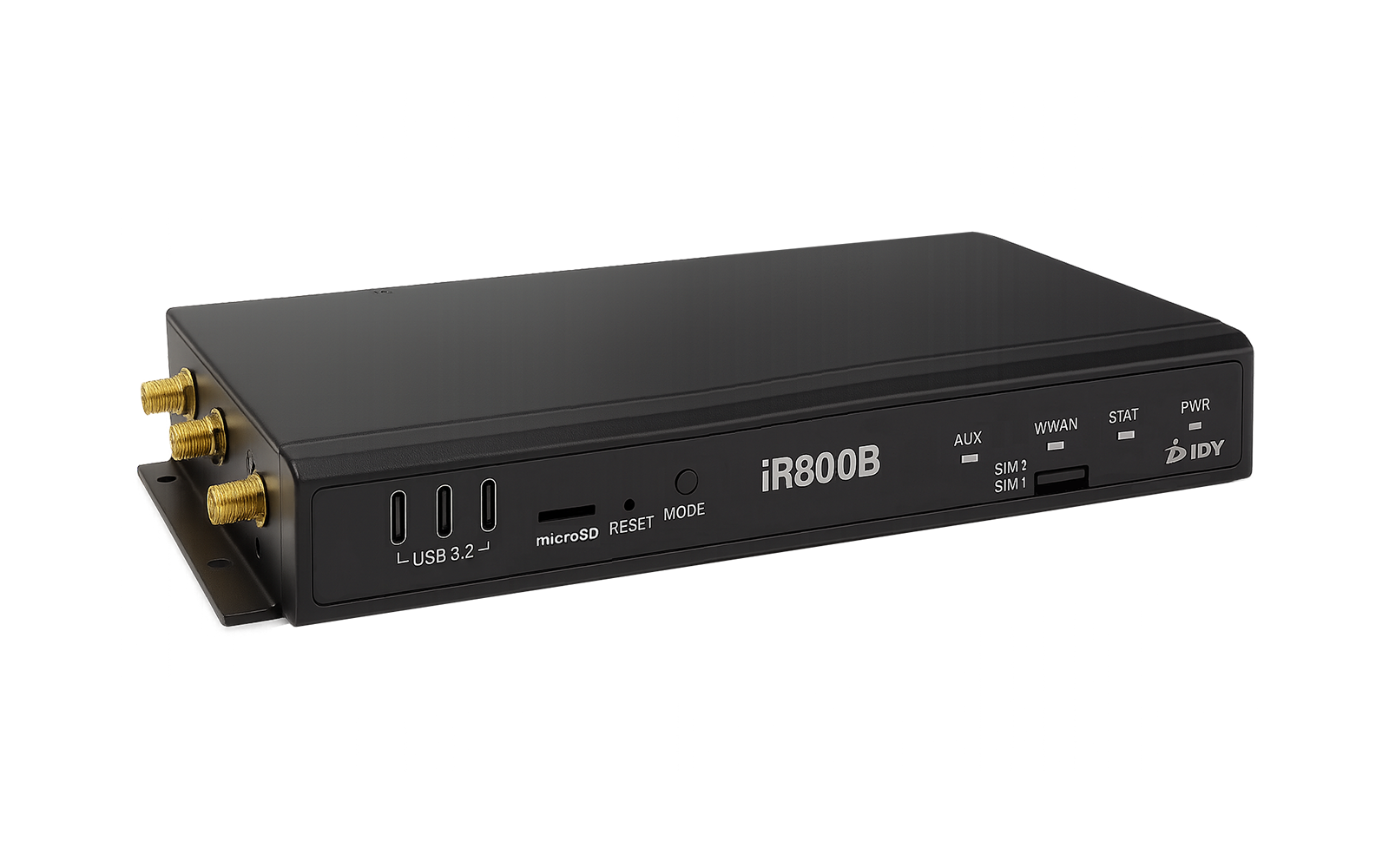 5G EDGE GATEWAY
For core systems requiring 10GbE, edge processing and industrial I/O.
View product →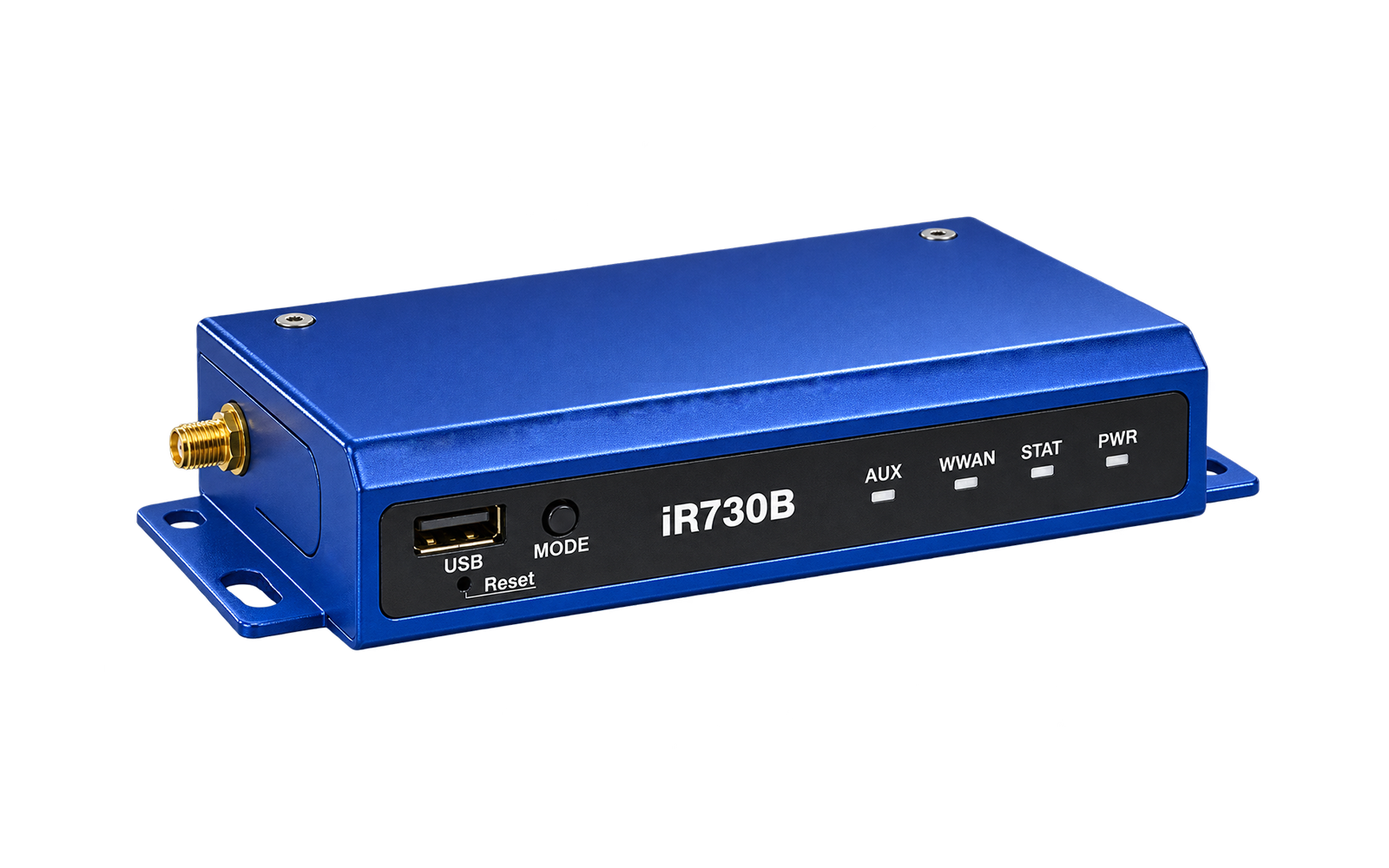 INDUSTRIAL 5G ROUTER
Migrate existing industrial equipment toward 5G while retaining connectivity.
View product →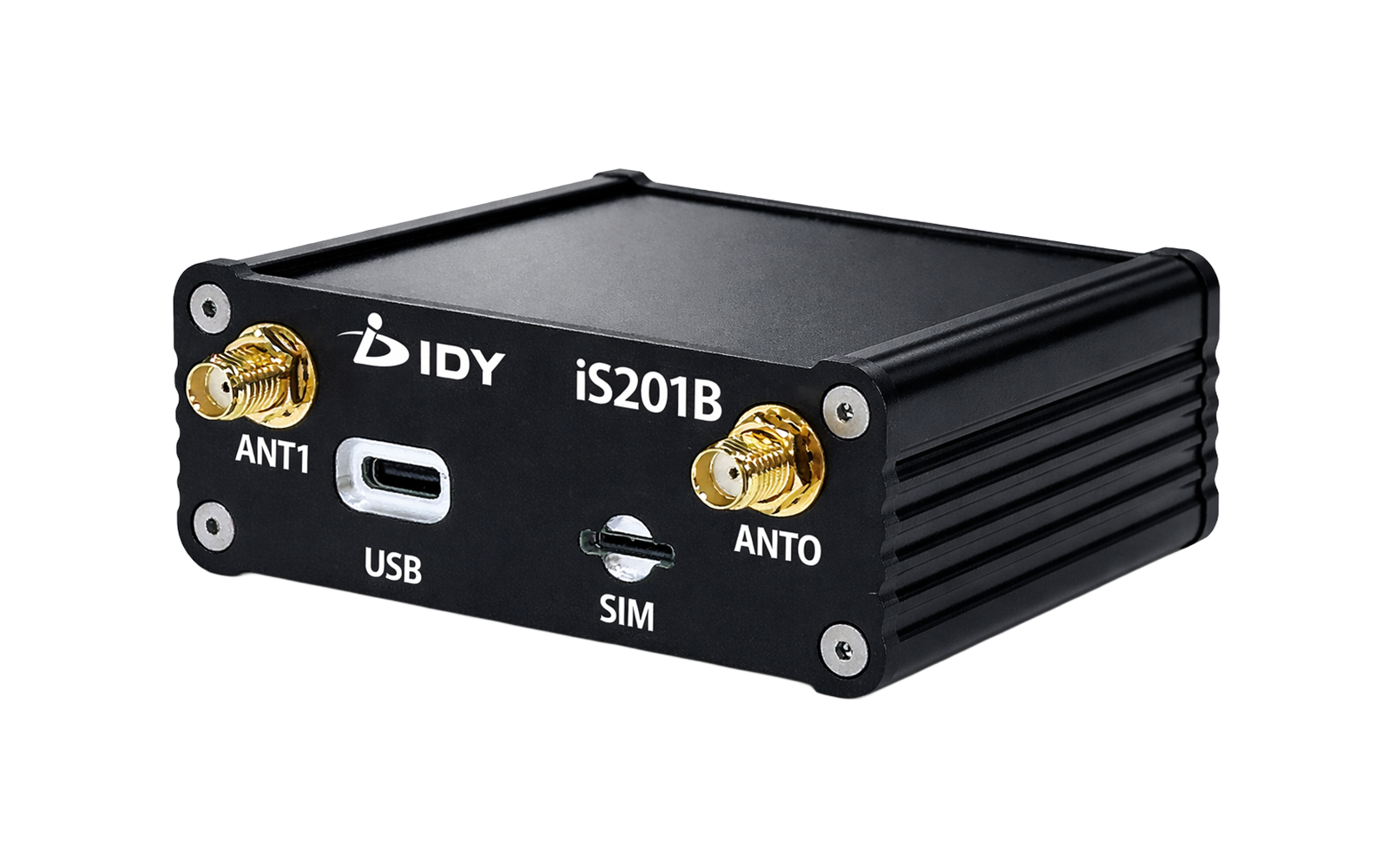 5G USB MODEM
Bring direct 5G connectivity to PCs, AGVs, AMRs, machine tools and controllers.
View product →Tell us about the process, robots, AGVs and AMRs, cameras, existing equipment, network architecture, radio environment and response requirements. We can begin with requirements and proof-of-concept design before product selection.