From manual work to autonomous movement
AGVs, AMRs and equipment coordinate in real time to keep material moving.
In logistics operations where WMS, AGVs and AMRs, video analytics, inventory and temperature systems work continuously, a communications outage can stop the physical flow. IDY engineers the path from warehouse floor to cloud as one operating infrastructure.

Distribution centers are evolving from storage facilities into 24-hour, real-time processing infrastructure. Connectivity is no longer an accessory: it supports throughput and operational continuity.
AGVs, AMRs and equipment coordinate in real time to keep material moving.
Maintain throughput across e-commerce, small-lot delivery, inbound and outbound flows.
Share inventory, video, equipment and temperature data from floor to business systems.
Even when business systems remain healthy, wireless interference, access outages, roaming gaps or insufficient bandwidth can stop autonomous movement and operational visibility.
Dense access points, metal racks and changing equipment layouts reshape radio performance.
Access-point transitions along AGV and AMR routes can affect process continuity.
Dependence on one path can turn an access incident into site-wide processing downtime.
AI video and operational traffic sharing one path can constrain critical communications.
Field equipment, the edge and business systems are engineered as one architecture, connecting network state to operational impact. The objective is not simply more links, but continuity of the logistics process.
Business systems for inbound, outbound, inventory, analytics and decisions.
Observe path state and support local processing, path selection and recovery.
The physical layer of movement, video, equipment and temperature data.
Each workload uses the access technology that fits its operating conditions, while diverse paths are observed in normal operation. Switching, recovery and field operations are part of the same communications design.
Engineer 5G, LTE, local 5G and existing access around field conditions and workload priority.
Supported configurations keep multiple links available and support path switching after an incident is detected.
Handle relevant results at the edge to reduce cloud traffic and response delay.
Design AGV, AMR, video and equipment connectivity around coverage, uplink quality and roaming.
Availability of access technologies, concurrent links and switching methods depends on product model, carrier, service contract, installation environment and system configuration.
The entire environment does not need to be replaced at once. Start with critical processes and their communications dependencies, then deploy in phases while retaining usable infrastructure.
Identify processes, devices, paths, radio conditions and the business impact of downtime.
Introduce alternate paths and observation between critical equipment and business systems.
Expand capacity and mobility support to AGVs, AMRs, AI cameras and sensors.
Review incidents, switching, recovery and quality as layouts and workloads change.
Support 24-hour order-to-ship processing and autonomous movement.
Maintain data paths for temperature, inventory and traceability.
Connect intralogistics with production and warehouse systems as one operation.
Connect equipment monitoring, temperature management, inbound and outbound work in low-temperature sites.
Select from 5G edge gateways, 5G USB modems, industrial LTE gateways and antennas according to access technology, path count, installation conditions and operational requirements.
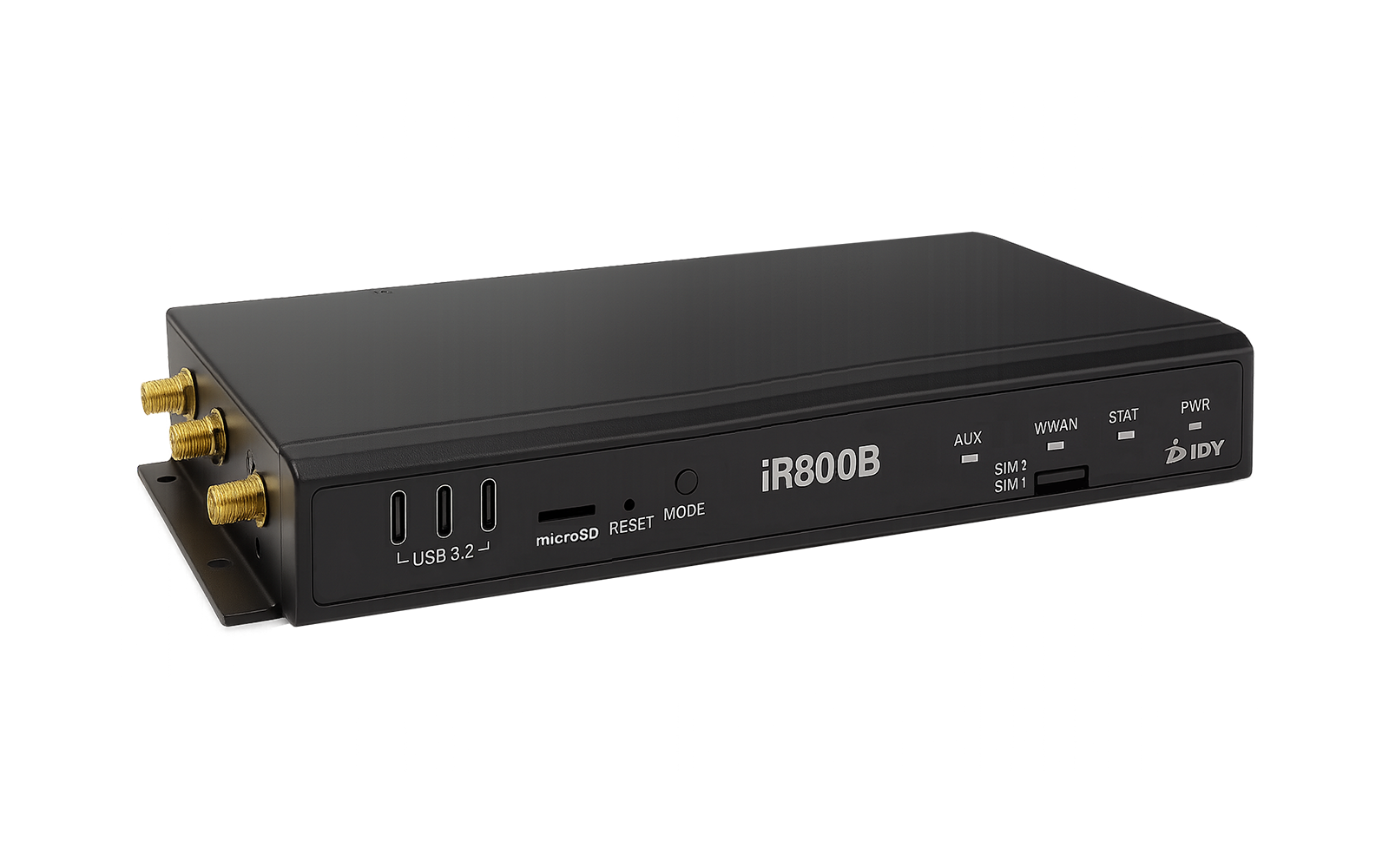 5G EDGE GATEWAY
For core configurations requiring multiple paths, 5G and edge processing.
View product →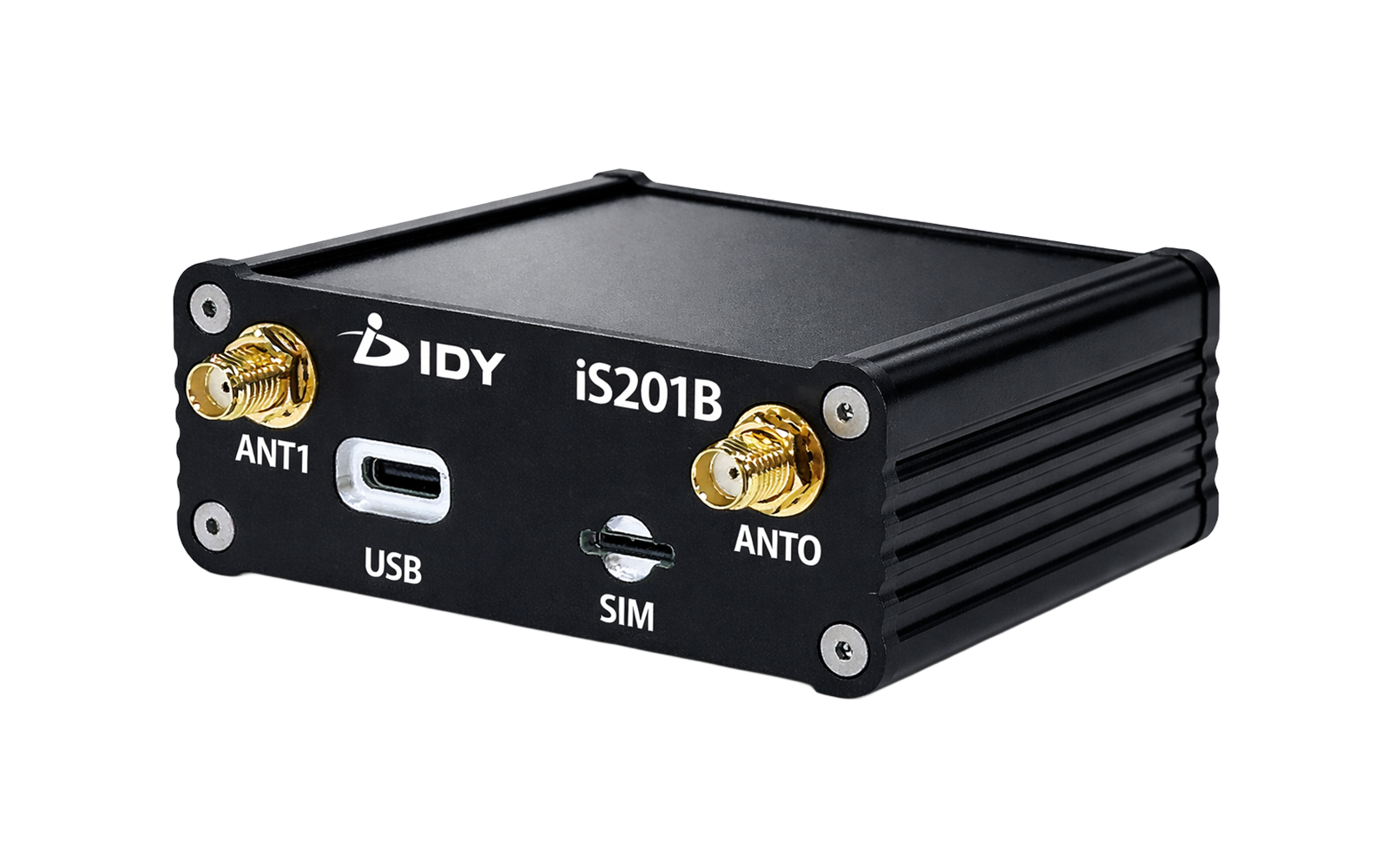 5G USB MODEM
Add a 5G path to supported gateways and existing systems.
View product →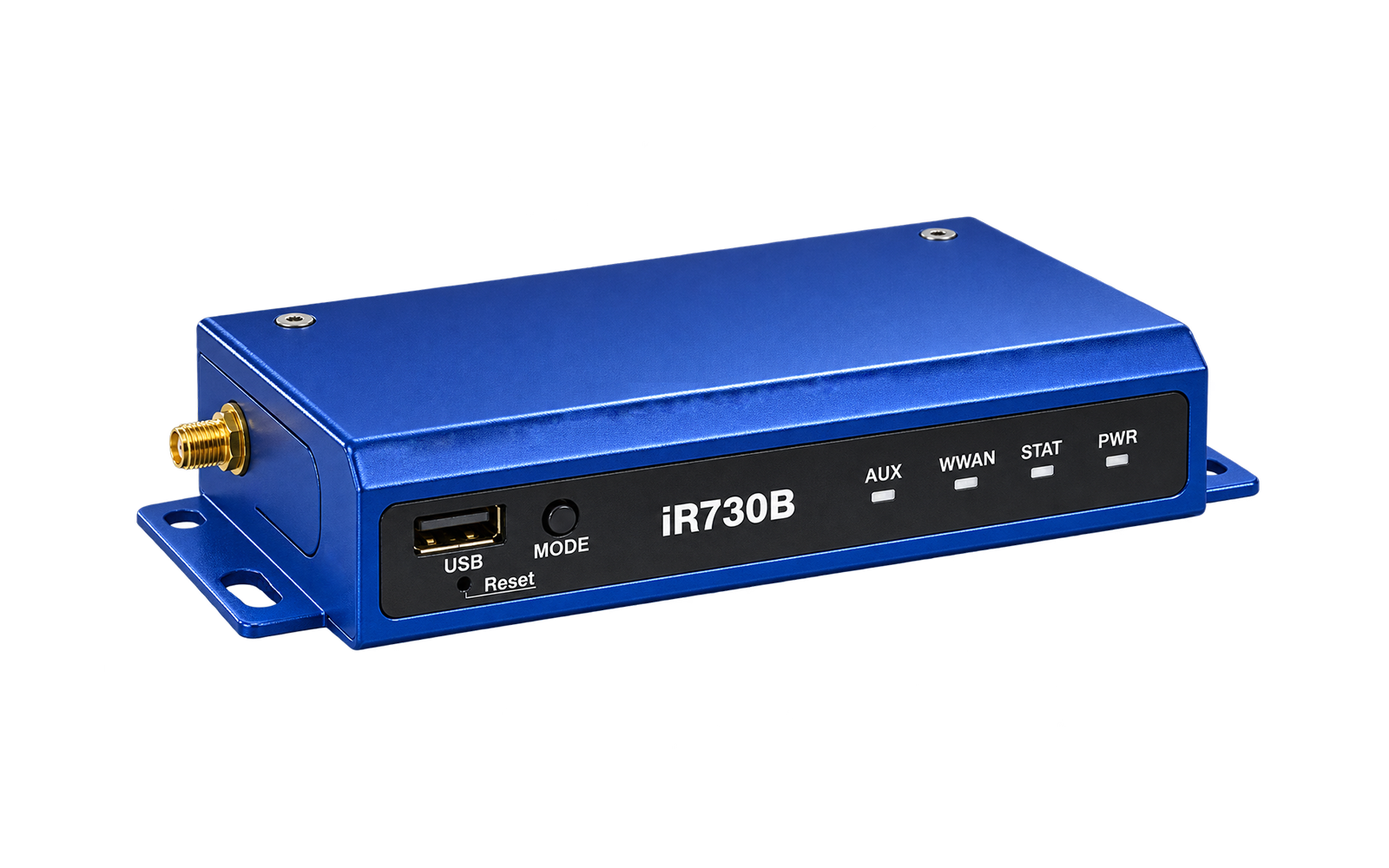 INDUSTRIAL 5G EDGE GATEWAY
Industrial 5G connectivity for equipment monitoring and distributed sites.
View product →Tell us about your warehouse layout, WMS, AGVs and AMRs, cameras, sensors, access paths and critical processes. We can begin with the communications architecture before selecting products.